Power, steam, air and cooling: the machines that keep a factory running
A guide to the utility machines behind every production line, and how to ask Jantrayan for a quotation.
A guide to the utility machines behind every production line, and how to ask Jantrayan for a quotation.
Type a machine name or a step of the work.
No match yet. Tell us what you need and we will help. Get a quote
Step 1: Grid connection
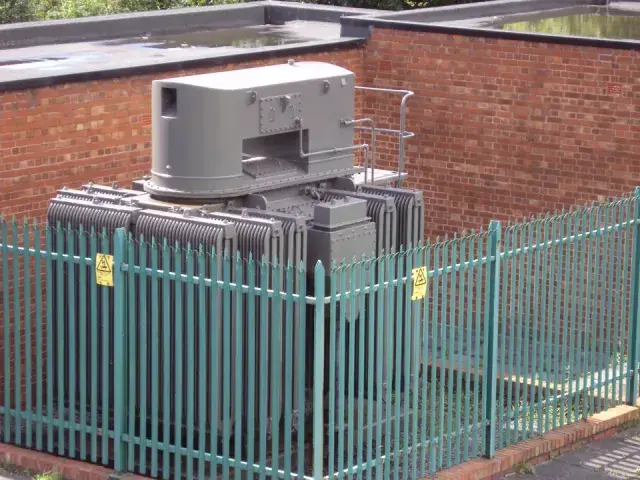
Steps grid voltage down to the voltage the factory uses, in an oil-filled or dry-type unit.
Availability subject to feasibility check
Request this machineStep 1: Grid connection
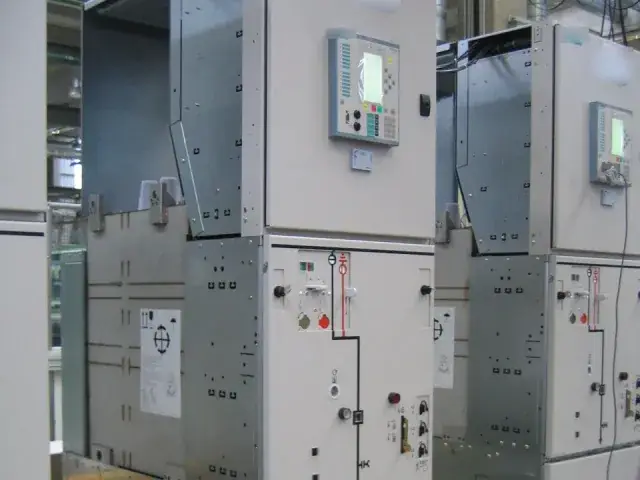
Cabinets of breakers, meters and protection that switch power on and off safely and share it out to each section.
Availability subject to feasibility check
Request this machineStep 2: Backup and captive power
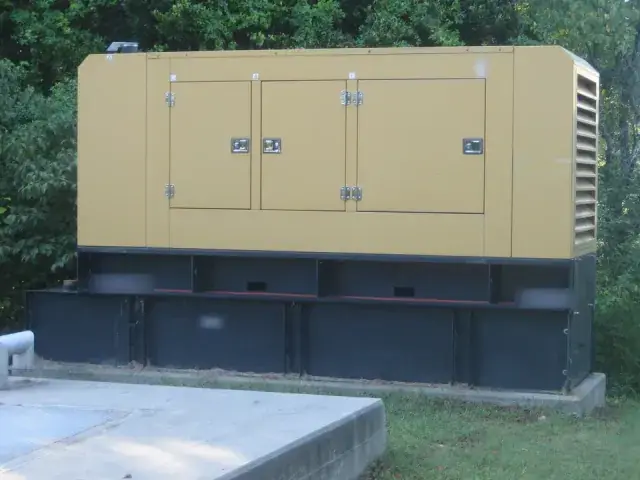
An engine coupled to an alternator that makes power during outages, or runs the factory on its own.
Availability subject to feasibility check
Request this machineStep 2: Backup and captive power
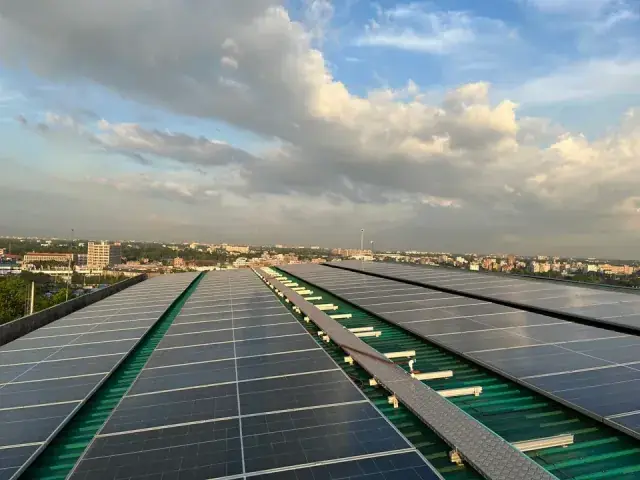
Solar panels on the factory roof, with inverters that feed daytime power into the factory supply.
Availability subject to feasibility check
Request this machineStep 3: Power quality
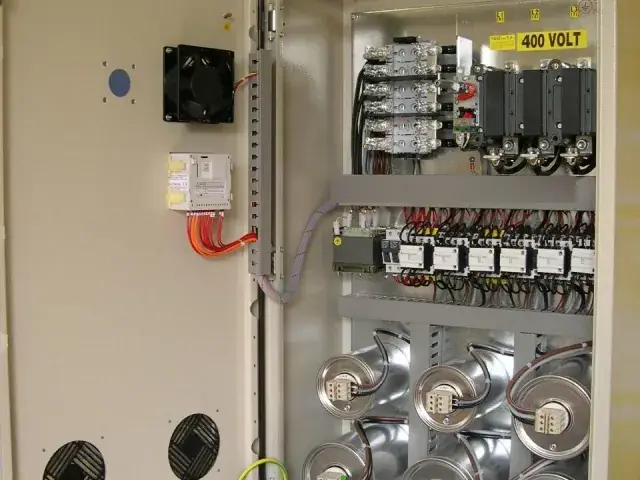
Capacitor banks switched in steps to correct the power factor, which cuts wasted current and can lower the electricity bill.
Availability subject to feasibility check
Request this machineStep 3: Power quality
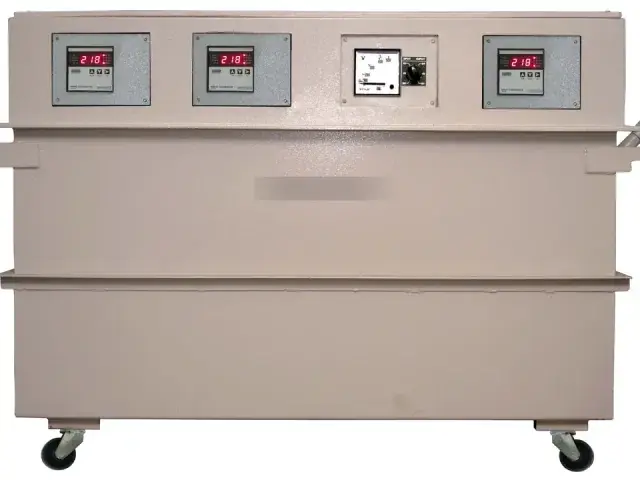
Holds the supply voltage steady when the grid rises or dips, protecting sensitive machines.
Availability subject to feasibility check
Request this machineStep 4: Steam
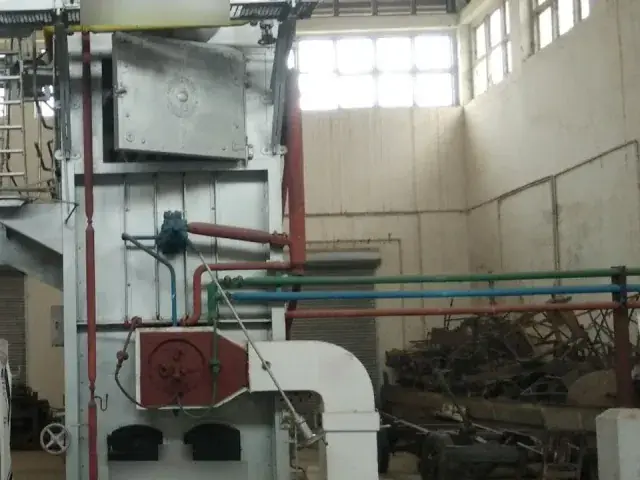
A fired pressure vessel that makes steam for dyeing, cooking, drying and heating across the factory.
Availability subject to feasibility check
Request this machineStep 4: Steam
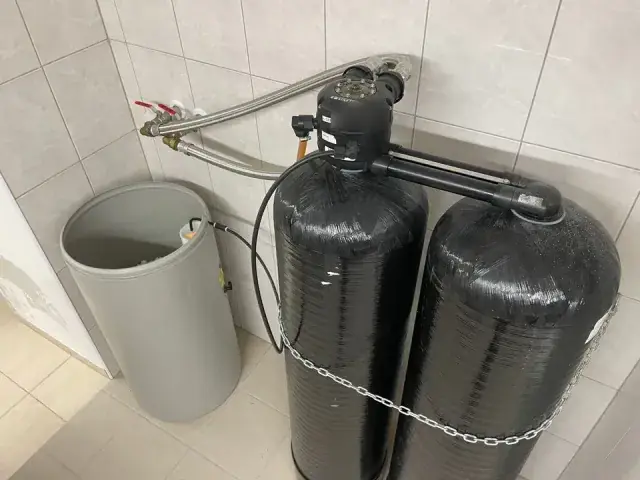
Resin beds that take the hardness out of feed water, so scale does not build up inside boilers and pipes.
Availability subject to feasibility check
Request this machineStep 5: Compressed air
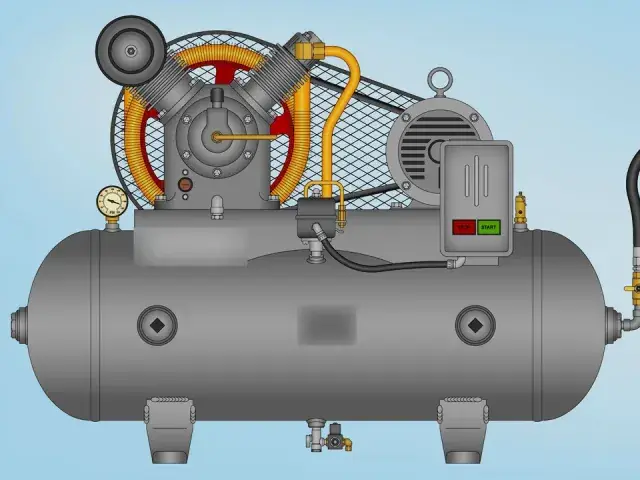
A screw or piston compressor that supplies compressed air for tools, valves, cylinders and packing machines.
Availability subject to feasibility check
Request this machineStep 5: Compressed air
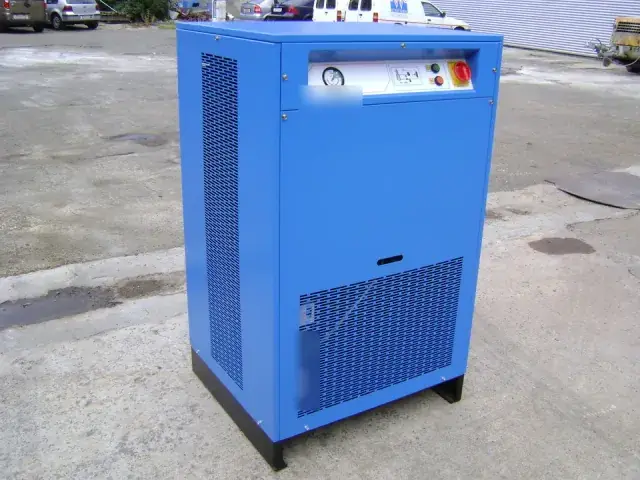
Takes the moisture out of compressed air by cooling or adsorbing it, so water does not reach the machines it drives.
Availability subject to feasibility check
Request this machineStep 6: Cooling
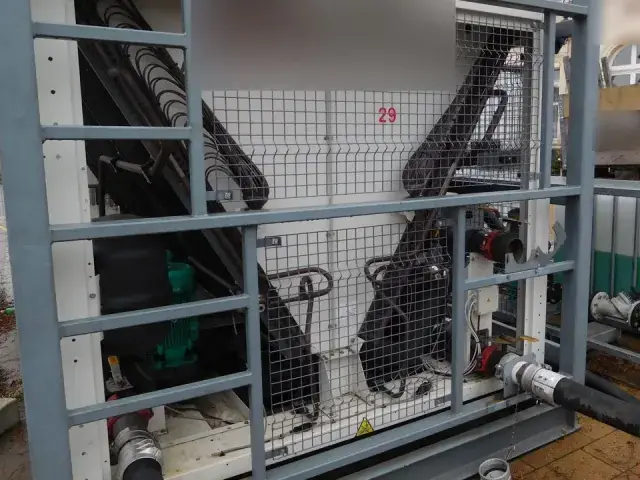
A refrigeration unit that chills water for process cooling and for air conditioning across the factory.
Availability subject to feasibility check
Request this machineStep 6: Cooling
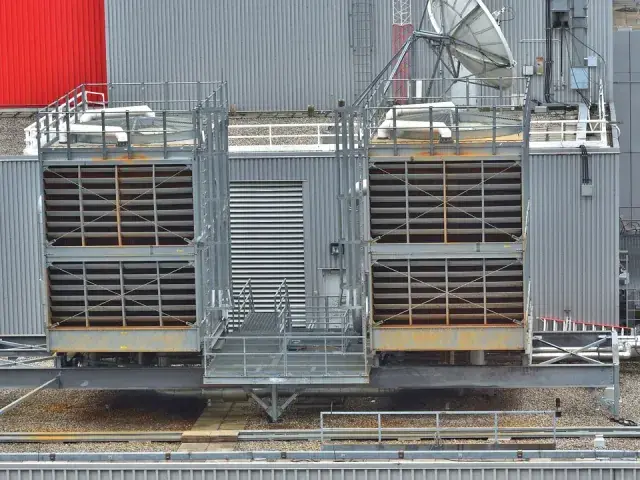
Sprays warm water over fill packs while fans pull air through, carrying the heat away by evaporation.
Availability subject to feasibility check
Request this machineThe utilities a typical factory needs, from incoming power to cooling, and the type of machine behind each one.
Power from the grid is stepped down to the factory’s voltage and shared out safely to each section.
Machines at this step: Transformer, Switchgear and distribution panels
Generators keep the lines running during outages, and some factories make most of their own power.
Machines at this step: Diesel or gas generator, Rooftop solar system
Correcting the power factor and smoothing the voltage protects machines and can lower the electricity bill.
Machines at this step: Power factor correction panel, Voltage stabiliser
Boilers make steam for dyeing, cooking, drying and heating, and need soft, treated water to last.
Machines at this step: Steam boiler, Water softener
Compressed air drives tools, valves and packing machines, and is dried so moisture does not reach them.
Machines at this step: Air compressor, Air dryer
Chilled water cools machines, moulds and process rooms, and cooling towers carry the heat away.
Machines at this step: Water chiller, Cooling tower
See which construction machine does each job, from earthworks to concrete floors.